
Automotive
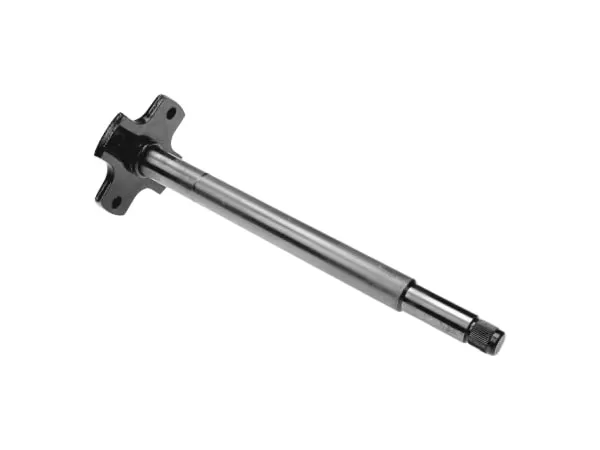
engine valve · turbocharger turbine wheel with shaft · cardan and drive shaft · half shaft · steering shaft · shock absorber part · airbag gas generator housing
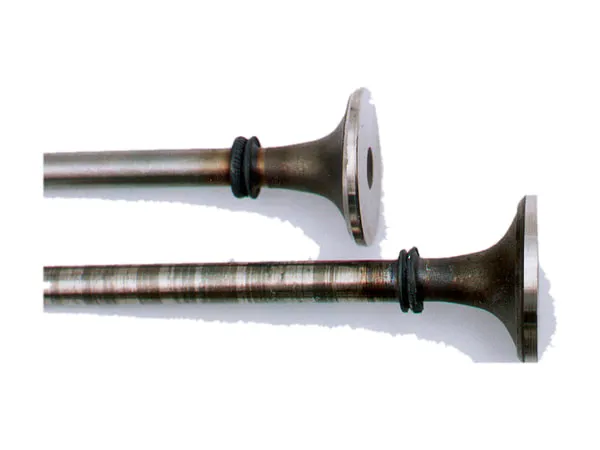
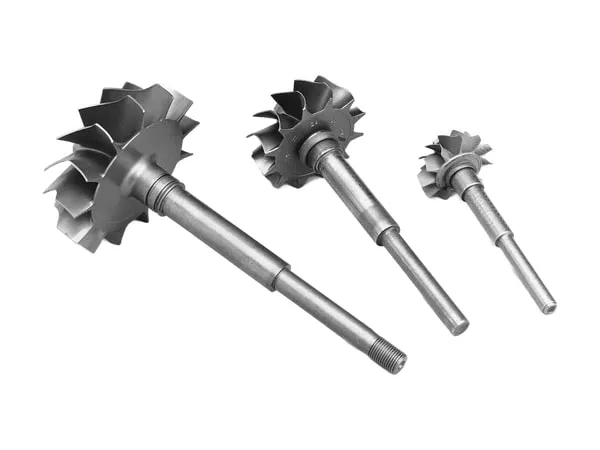
Friction welding is a proven process in many fields, from the automotive industry through hydraulics and agricultural machinery to tool manufacturing. It allows parts of complex geometry to be built from simple elements, and materials with different chemical compositions and mechanical properties to be combined within a single part.
engine valve · turbocharger turbine wheel with shaft · cardan and drive shaft · half shaft · steering shaft · shock absorber part · airbag gas generator housing
driven axle · trailer axle · brake camshaft · wheel hub · cardan shaft
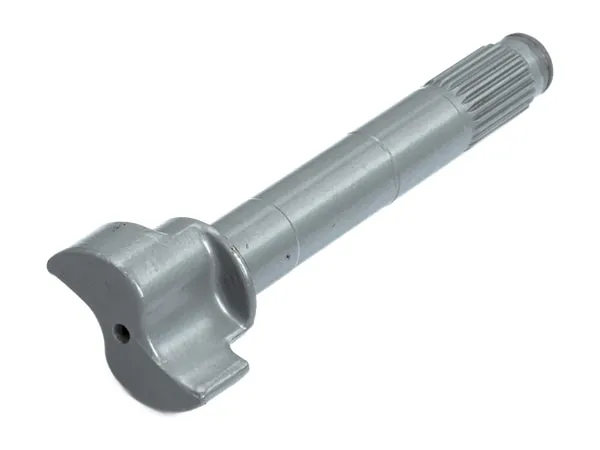
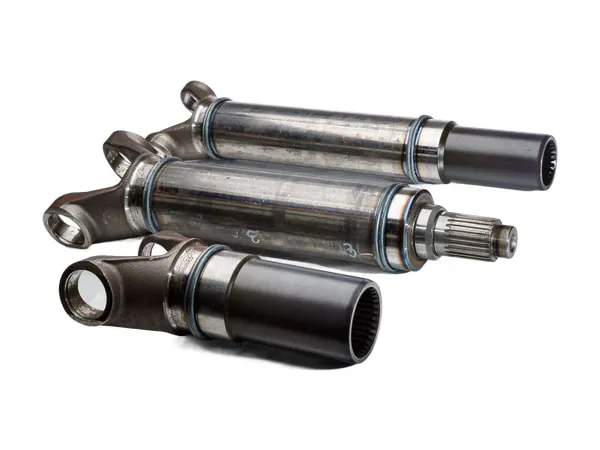
brake system part · axle · linkage
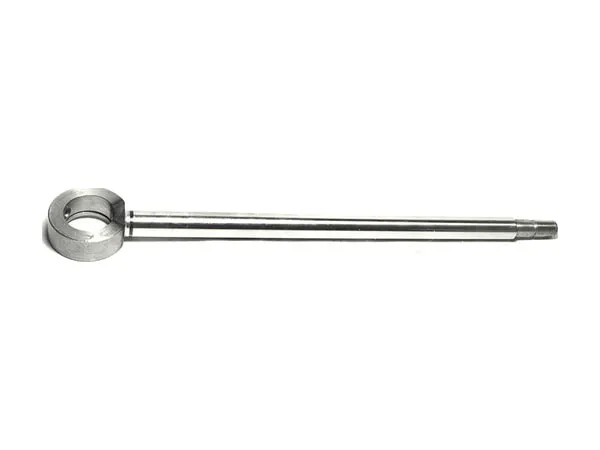
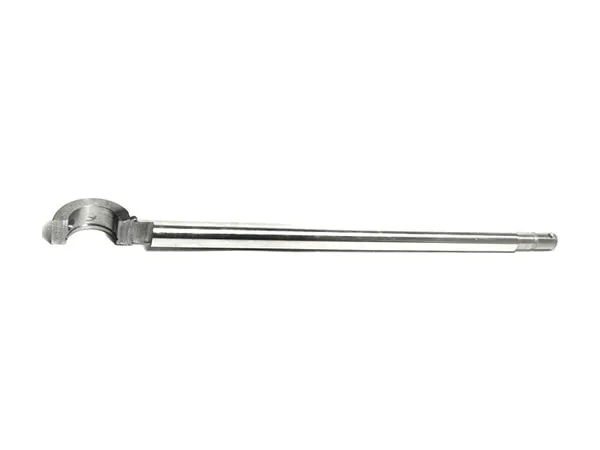
piston rod · cylinder end cap with eye · rod end with eye and clevis
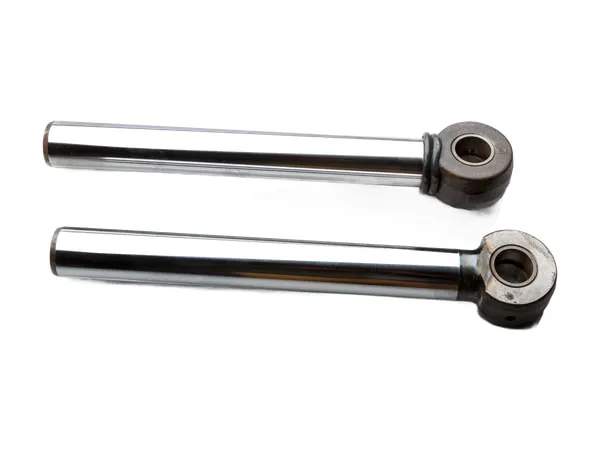
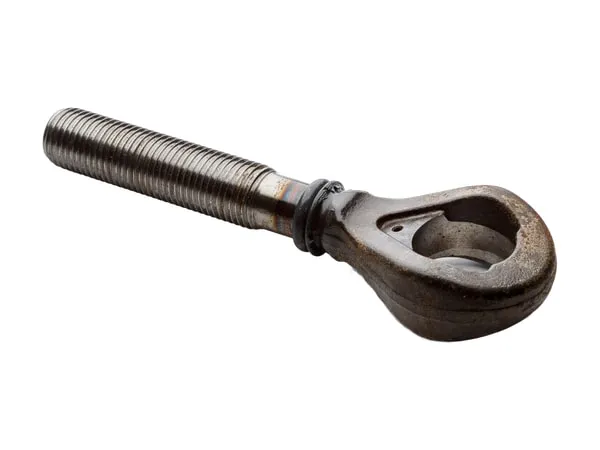
planetary housing · drive shaft · wheel hub · track roller · hydraulic cylinder
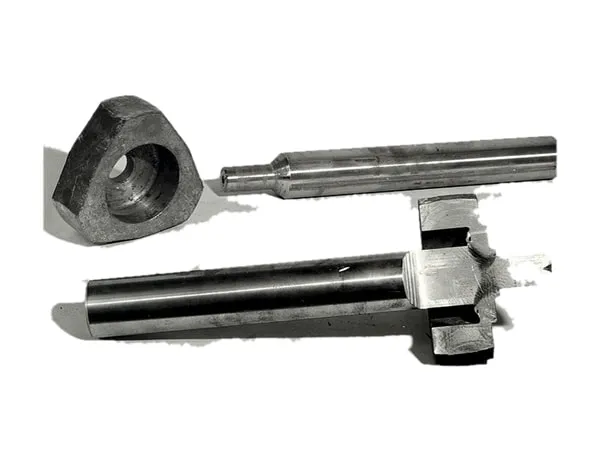
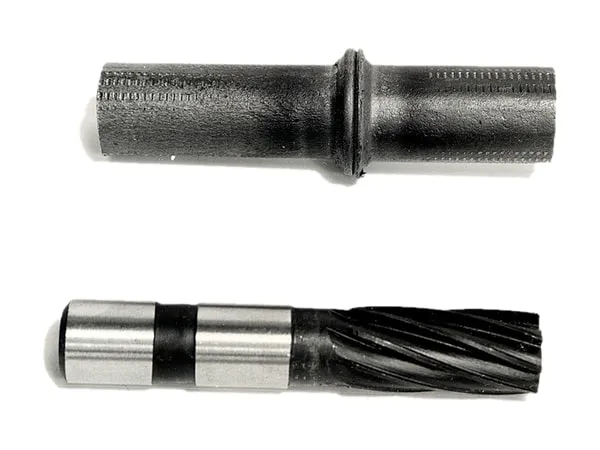
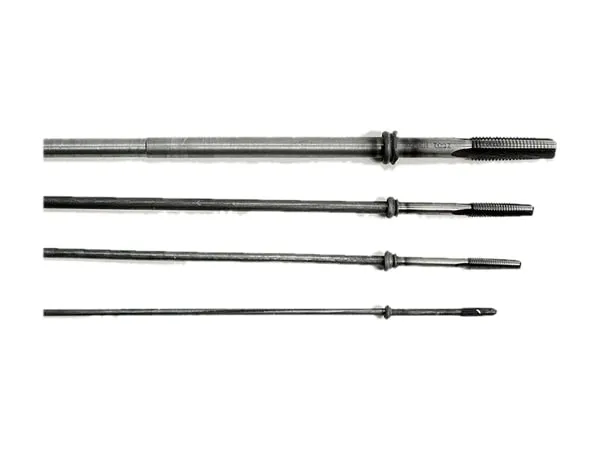
auger drill · milling cutter · reamer · tap · broach · rock drill · tool holder
copper–aluminium cable lug · busbar connector · battery connector · copper–steel conductor pin
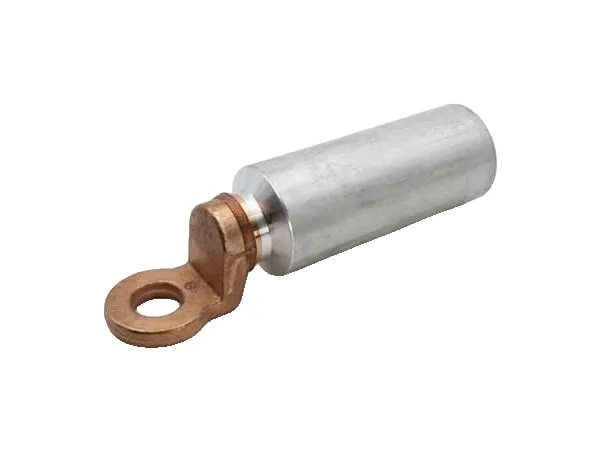
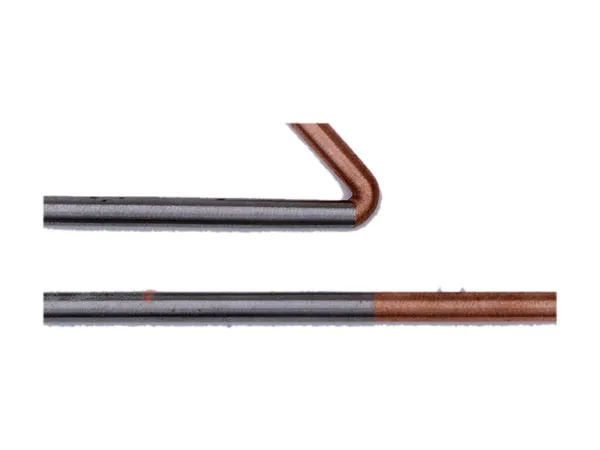
aluminium–copper tube transition · aluminium–stainless steel tube transition
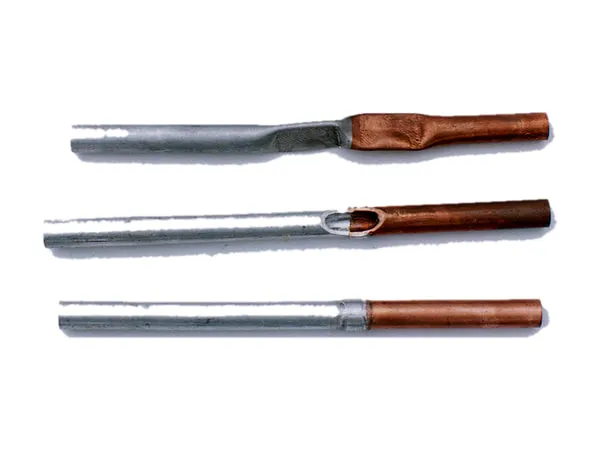
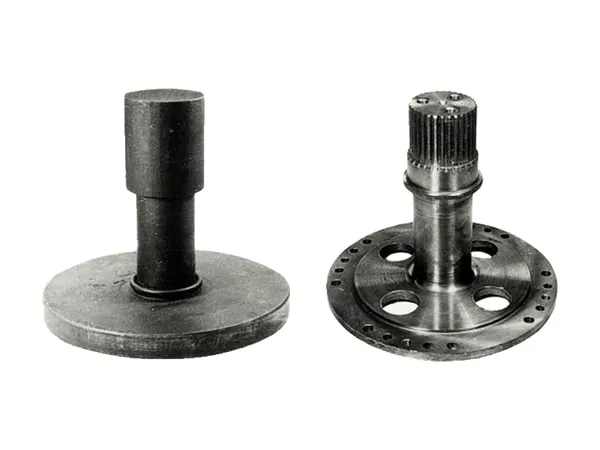
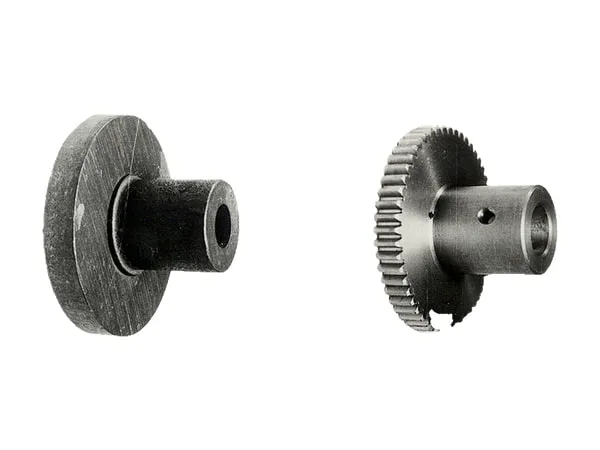
flanged shaft · gear hub · flanged pipe stub
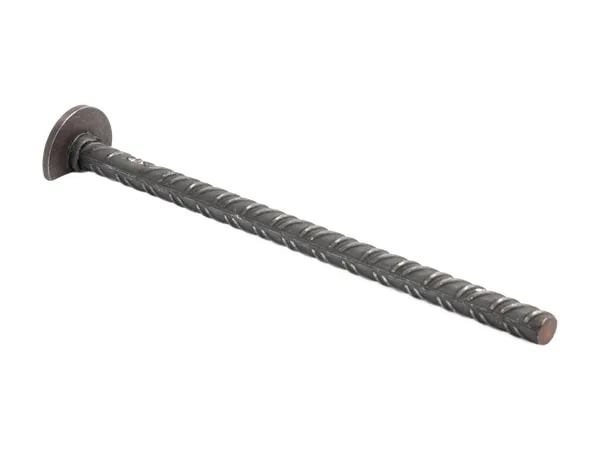
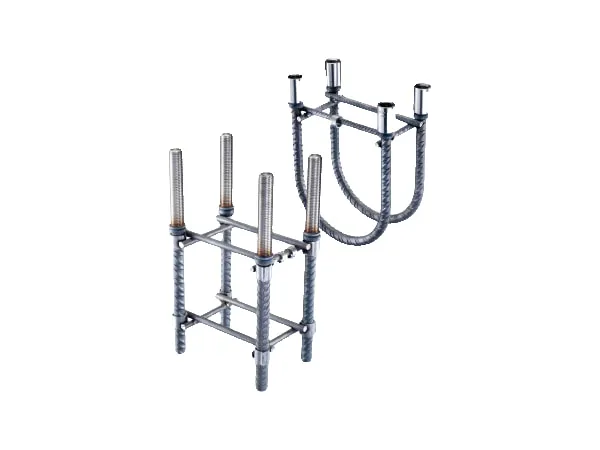
headed rebar · anchor element
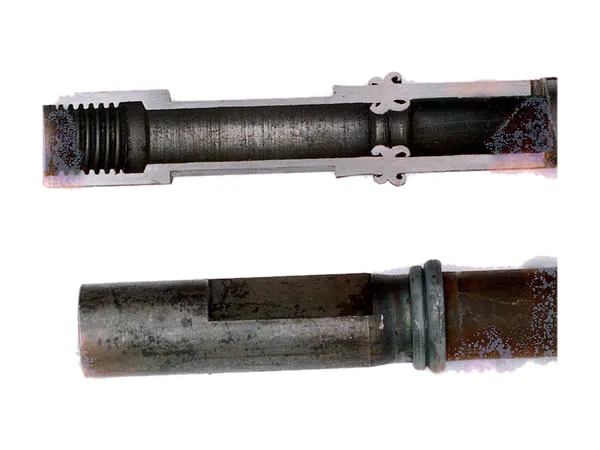
drill pipe and tool joint · drill rod · corrosion-resistant tube transition · pump part
Compared with conventional manufacturing technology.
The tractor planetary housing consists of a relatively heavy head and a long shaft. It is conventionally produced by casting or forging. Both processes are labour- and energy-intensive. In forging and casting alike, the relatively long shaft causes difficulties.
The part can be divided into two units: the housing and the shaft. The housing is made of easily forged carbon steel, the shaft of alloy steel because of the higher strength requirement. After welding, the planetary housing is normalised and finish-machined. A planetary housing made this way is equivalent to the forged part in terms of service life.
The crankshaft blank is usually produced by casting or forging.
It can be divided into three parts, which can be quickly produced by cutting from stock.
Made from one piece, in high-speed steel (HSS) along its entire length.
The working part of cutting tools is made of high-speed steel (HSS), the shank of carbon steel. Friction welding provides a precise, crack-free joint between the two different steels. The welded tool shows the same edge life as one made from a single piece.
The two parts are connected by a threaded or shrink-fit joint.
The working surface is made of hardened or chrome-plated steel, the rear end of softer steel. With friction welding, the two parts can be joined with high precision, and the joint withstands alternating loads better than a threaded or shrink-fit joint.
The stem must be wear-resistant, the head heat-resistant.
The two alloys are joined by friction welding. Concentricity, which the process ensures, is particularly important for this part.
Only one half of the shaft is exposed to corrosion, and diameter changes are common.
Significant savings can be made by welding cheaper carbon steel, even of a different diameter, to the stainless steel.
The titanium and nickel-based alloys used in the aerospace industry are difficult to join by fusion welding.
A precise, contamination-free joint is produced, for example between engine discs and shafts.