
Friction welding
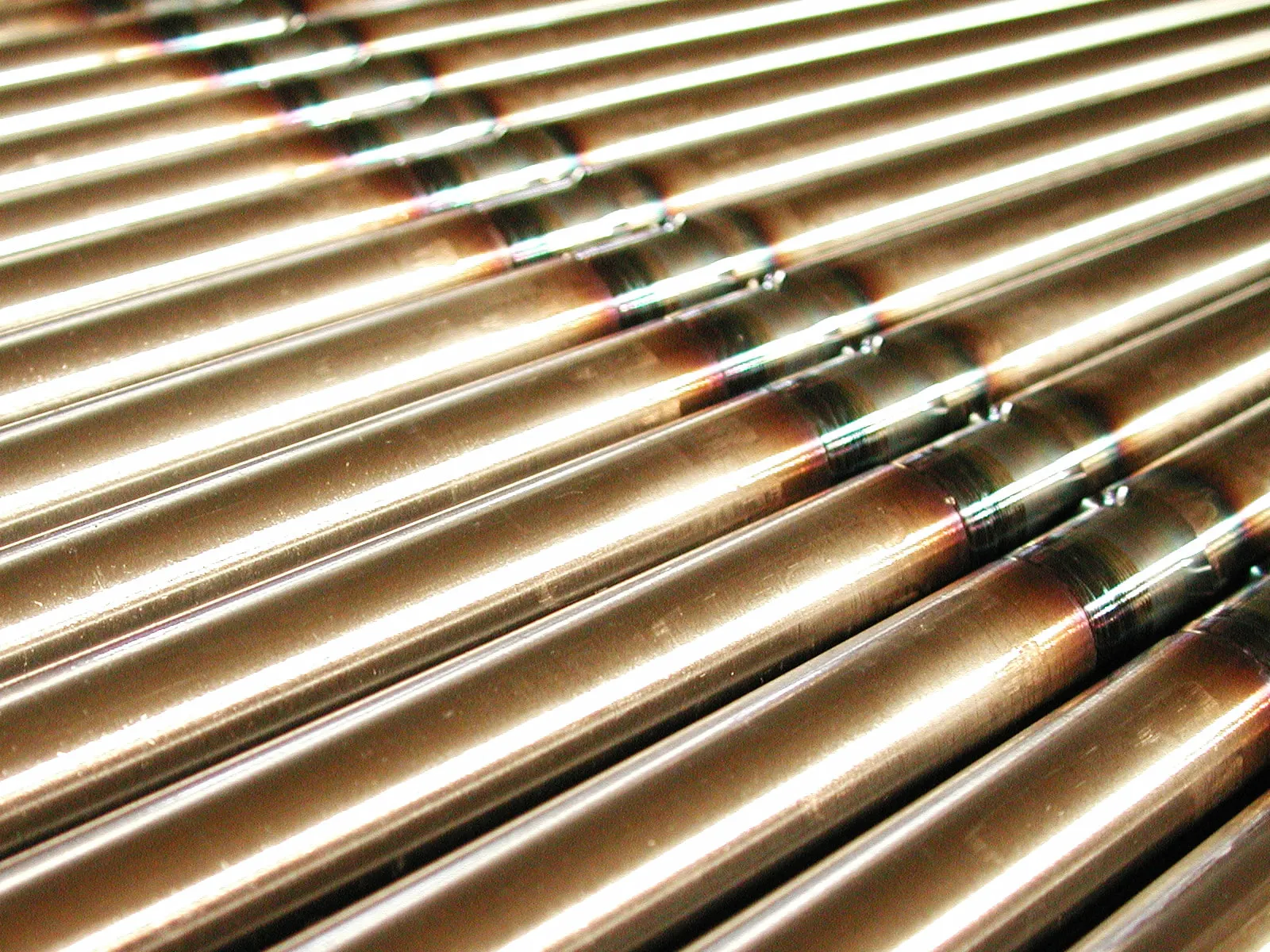
Solid-state pressure welding: the joint is created by the heat generated by friction and the axial compressive force, without melting the base materials and without filler material or shielding gas.
Friction welding is a type of pressure welding in which the two surfaces to be welded are rotated relative to each other and pressed together with the appropriate force.
On the contact surfaces, friction heats the metal and brings it into a plastic state; heat and pressure then create the cohesive bond at atomic level.
Friction welding allows parts of complex geometry to be assembled from simple elements.
Thanks to its joint strength, process stability and repeatability, friction welding is suitable for prototype development, pilot series production and high-volume series production alike.
Material combinations
As no melt forms during the process, material pairs can be joined that cannot, or can only to a limited extent, be combined by fusion welding, for example aluminium and copper, or high-speed steel and carbon steel.
| Material | Aluminium and aluminium alloys | Aluminium PM | Cast iron (GJS, GJM) | High-speed steel (HSS) | Cemented carbide | Chromium | Copper and copper alloys | Magnesium and magnesium alloys | Molybdenum | Nickel and nickel alloys | Nickel alloy PM | Niobium | Unalloyed steel (carbon steel) | Low-alloy steel | High-alloy steel | Cast steel | Steel PM | Free-cutting steel | Titanium and titanium alloys | Titanium aluminide | Tungsten PM | Tungsten-copper PM |
|---|---|---|---|---|---|---|---|---|---|---|---|---|---|---|---|---|---|---|---|---|---|---|
| Aluminium and aluminium alloys | ||||||||||||||||||||||
| Aluminium PM | ||||||||||||||||||||||
| Cast iron (GJS, GJM) | ||||||||||||||||||||||
| High-speed steel (HSS) | ||||||||||||||||||||||
| Cemented carbide | ||||||||||||||||||||||
| Chromium | ||||||||||||||||||||||
| Copper and copper alloys | ||||||||||||||||||||||
| Magnesium and magnesium alloys | ||||||||||||||||||||||
| Molybdenum | ||||||||||||||||||||||
| Nickel and nickel alloys | ||||||||||||||||||||||
| Nickel alloy PM | ||||||||||||||||||||||
| Niobium | ||||||||||||||||||||||
| Unalloyed steel (carbon steel) | ||||||||||||||||||||||
| Low-alloy steel | ||||||||||||||||||||||
| High-alloy steel | ||||||||||||||||||||||
| Cast steel | ||||||||||||||||||||||
| Steel PM | ||||||||||||||||||||||
| Free-cutting steel | ||||||||||||||||||||||
| Titanium and titanium alloys | ||||||||||||||||||||||
| Titanium aluminide | ||||||||||||||||||||||
| Tungsten PM | ||||||||||||||||||||||
| Tungsten-copper PM |
Applications
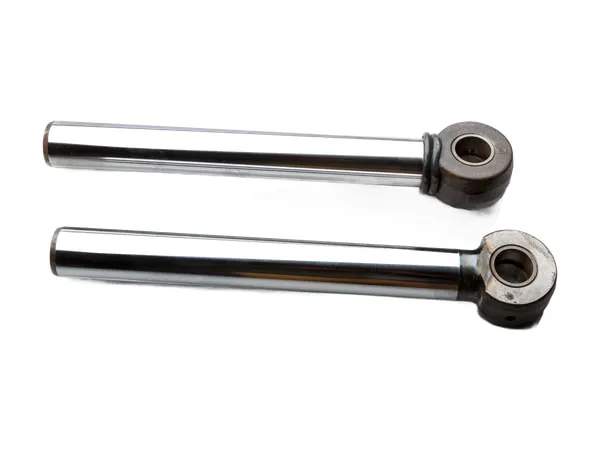
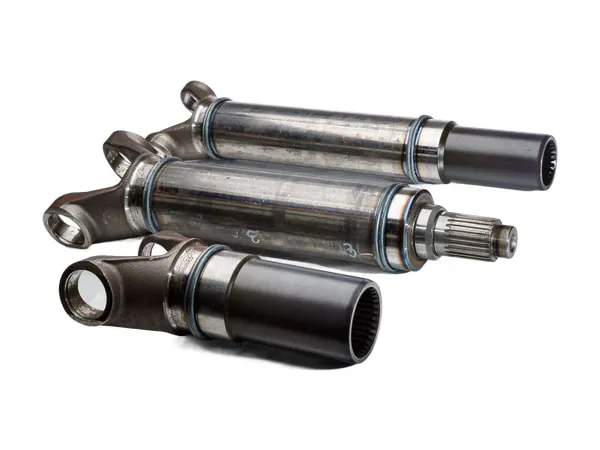
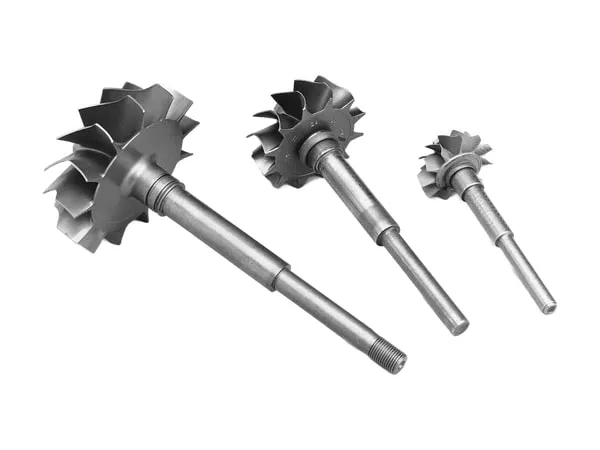
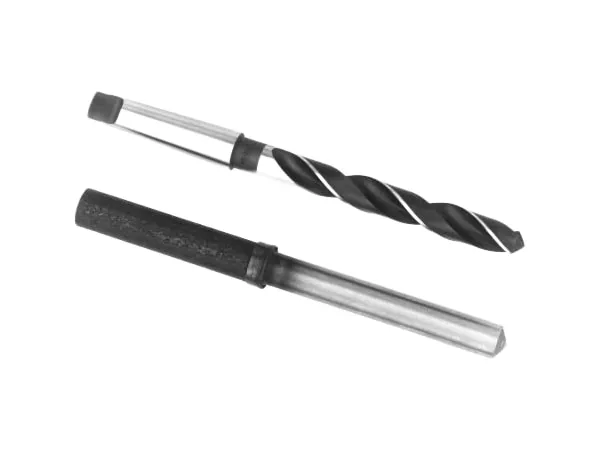
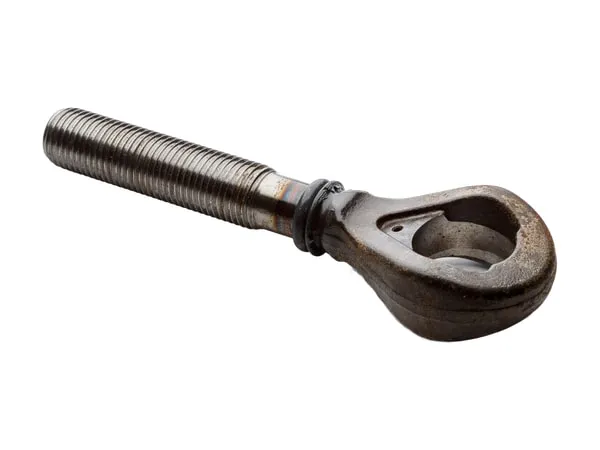
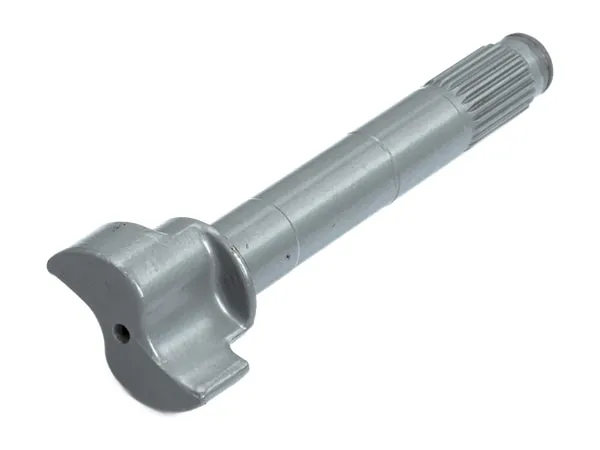
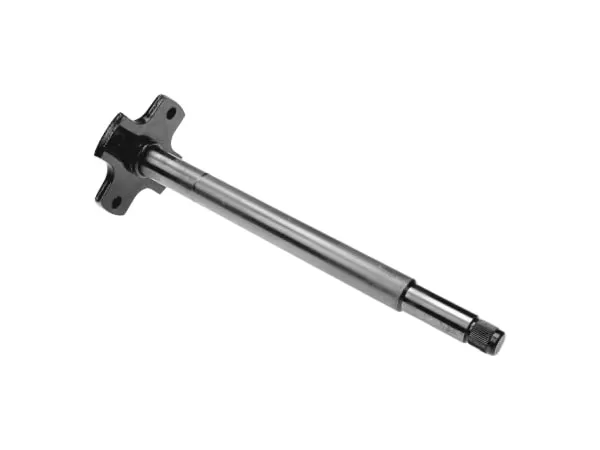
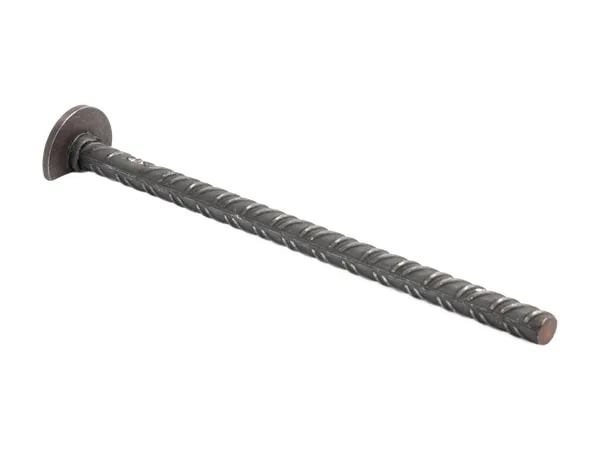
Combining metals Materials with different chemical compositions and mechanical properties can be used within a single part. Expensive materials can be limited to where the application requires them. For example, a heat-resistant valve head and a wear-resistant valve stem.
Joint quality A uniform, cohesive bond at atomic level, supervised by an automatic quality control system.
Concentricity Our machines weld within concentricity tolerances as tight as a tenth of a millimetre.